
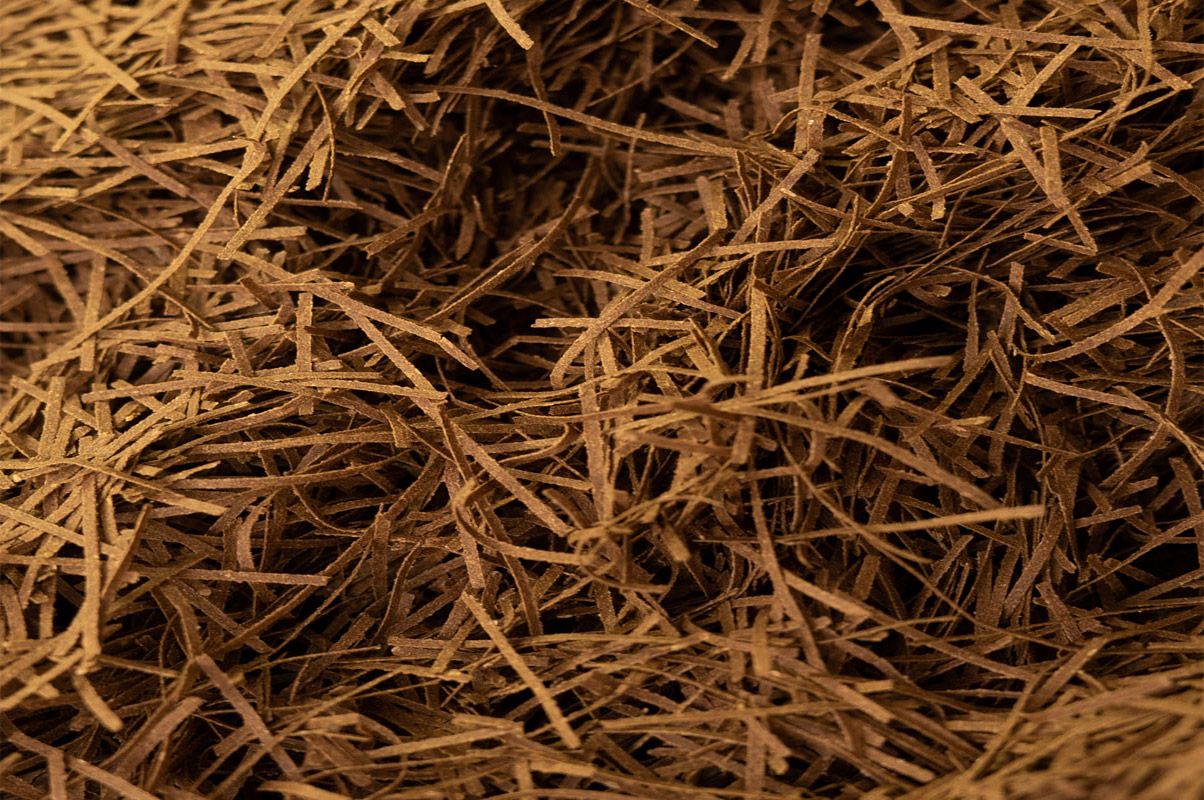
Reconstituted tobacco, or recon, is a processed tobacco material made from tobacco remnants collected after leaf processing. It is formed into sheet form and reused as part of tobacco manufacturing.
Recon is also commonly known as RTS, RTL, RT, RLT, RCB, PCL, or homogenized sheet tobacco.
Reconstituted tobacco is used to support a more efficient and controlled production process. Its key benefits include:
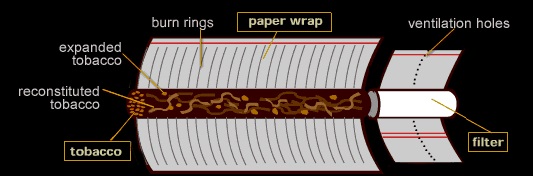
We supply several types of recon, including:
Available in cut rag form, origin Indonesia
Reconstituted tobacco is widely used to:
Nano fiber recon is known for its strong structure, aroma retention, filling power, and cost efficiency. The process generally includes:
Papermaking recon is made from tobacco by-products such as stems, scraps, and midribs using paper-based processing technology. The material is separated into fiber and soluble portions, formed into sheets, recombined, then dried and cut to the required format
Slurry recon is made by grinding tobacco fines and stems into powder, then mixing them with water and a vegetable-based binder before forming them into sheets.
Copyright 2026. All Rights Reserved