In the tobacco industry—especially in cigarette manufacturing—the terms Cut Rag and Processed Tobacco Blend may be unfamiliar to the average consumer. Yet these two components form the very foundation that determines the flavor profile, aroma, and burn characteristics of a finished cigarette. Understanding them sheds light on how raw tobacco leaf is transformed into a consumer product.
What Is Cut Rag?
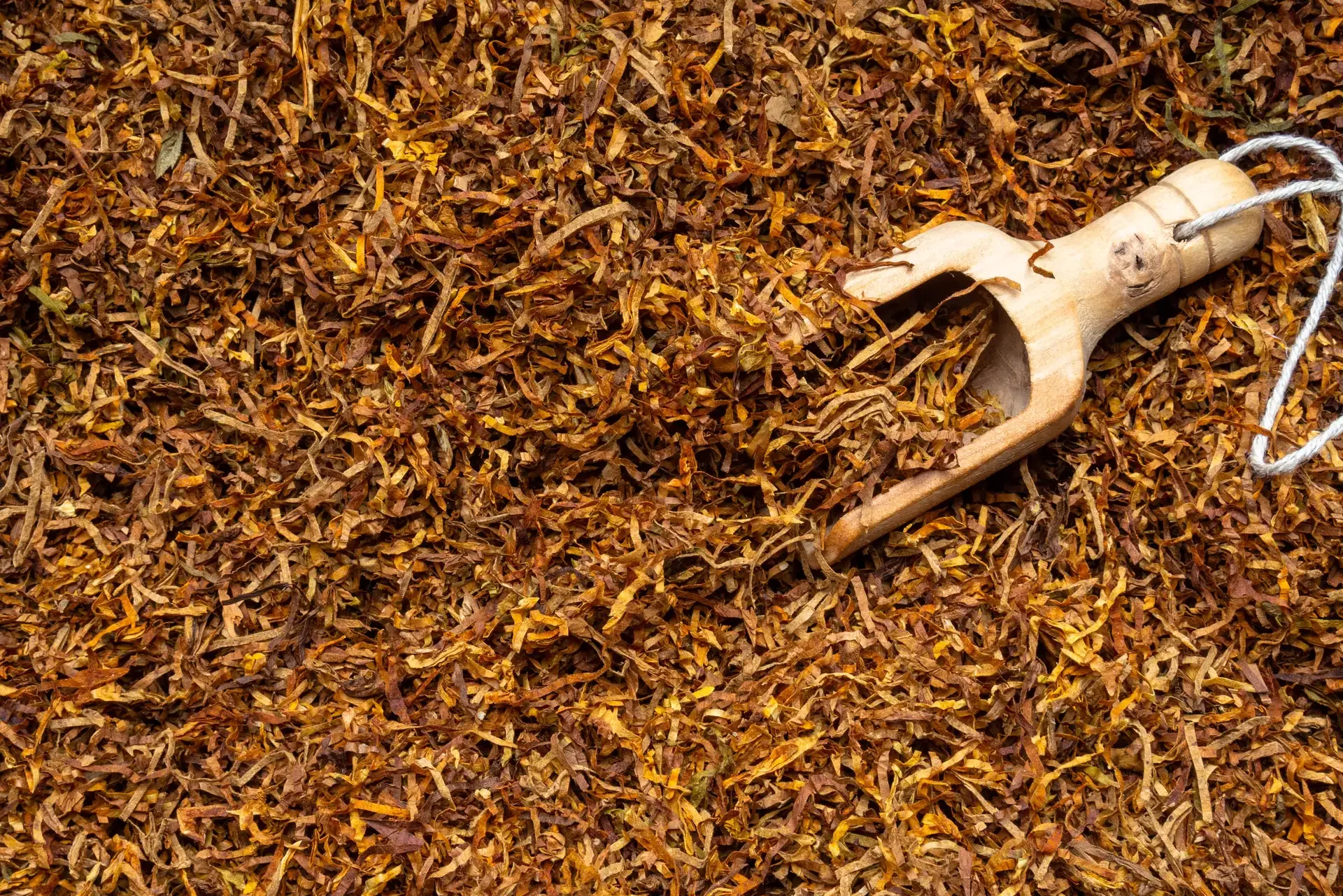
Literally, Cut Rag refers to “cut tobacco.” It is the technical term for tobacco leaf that has been dried, given an initial fermentation, and then cut or shredded into thin strands resembling threads.
The production of Cut Rag begins with selecting tobacco leaves based on quality and type. After the leaves undergo threshing to separate the stem from the lamina (the leaf blade), the tobacco is cut to a specified size. The cut size is critical because it affects the burn rate and the draw characteristics. Cut Rag typically consists of various tobacco grades, ranging from mild flue-cured (Virginia) to neutral, sturdy Burley, and aromatic Oriental.
What Is Processed Tobacco Blend?
While Cut Rag refers to the physical form of the tobacco, Processed Tobacco Blend is the concept of a mixture that has been further engineered. It is a combination of different types of Cut Rag that have undergone additional technological processing to meet specific standards.
Such a blend does not consist solely of natural tobacco. In modern cigarette manufacturing technology (especially for American-blend or “white” cigarettes), a Processed Tobacco Blend often includes:
- Expanded Tobacco: Tobacco that has been volume-expanded using gas (such as CO₂ or nitrogen) to reduce its density. This helps lower tar and nicotine levels and makes the cigarette rod more economical.
- Reconstituted Tobacco (Recon): Tobacco made from stem fragments, tobacco dust, and other fine particles that are reprocessed into a sheet resembling paper, then cut again. Recon serves as a filler that helps standardize tar and nicotine yields.
- Casing and Top Flavor: A mixture of additives (such as sugars, cocoa, licorice, or fruit essences) sprayed onto the tobacco blend. Casing softens the taste, while top flavor gives the product its characteristic aroma.
Synergy in the Final Product
The combination of high-quality Cut Rag and a precisely formulated Processed Tobacco Blend is key to a successful cigarette brand.
Tobacco manufacturers typically maintain a secret master blend. They mix specific percentages of Bright Stock (Virginia), Burley, and Oriental as the base Cut Rag, then integrate expanded and reconstituted tobacco that has been treated with a proprietary casing. The result is a homogeneous mixture that is fed into the cigarette maker to be wrapped into rods.
From an industry perspective, the Processed Tobacco Blend offers production efficiency and consistency. For consumers, the blend defines the smoking experience—from the throat impact and flavor intensity to how long the cigarette stays lit.
In summary, Cut Rag is the primary physical component, while the Processed Tobacco Blend is the “secret formula” that combines technology and artistry to create a product that meets market preferences.